Empowering WV Communities: Grass-Roots Solutions for a Healthier Future

The Be Healthy Project focuses on empowering communities to fight obesity through improved access to healthy food and physical activity spaces in West Virginia’s most vulnerable counties.

Be Wild. Be Wonderful. Be Healthy!

Welcome: The Be Healthy Project is an exciting partnership between the WVU Center for Active WV, WVU Extension Service, and the Centers for Disease Control and Prevention (CDC). We’re on a mission to make a real difference in the health and well-being of our communities.
 
Our Purpose: We’re all about increasing access to physical activity and healthy foods in Braxton, Clay, Calhoun, Monroe, Summers, Boone, Lincoln, and Logan counties. We believe that everyone deserves the opportunity to live a healthy, active life.
 
Local Solutions for Local Challenges: At Be Healthy, we prioritize local solutions to health-related challenges. We understand that each community is unique, and we’re committed to working together to find the best ways to support health and wellness in West Virginia.
 
Join Us: Whether you’re looking to get more active, eat healthier, or simply learn more about how to improve your well-being, Be Healthy is here for you. Explore our resources, join our programs, and be part of a healthier future for West Virginia!
About the Project

CDC-Funded Initiative

The High Obesity Program (HOP) is a multi-year cooperative agreement funded by the CDC's Division of Nutrition, Physical Activity, and Obesity, targeting counties with at least 40% adult obesity rates.

Land-Grant Mission

As a land-grant university, WVU engages in community-led efforts to improve access to healthy food and physical activity opportunities, addressing obesity and its multi-component root causes.

WVU's Leadership

WVU and WVU Extension have been continuous HOP grantees since the federal program's inception in 2014, demonstrating ongoing commitment to the health and quality of life for all West Virginians.

Focus on Policy, Systems, & Environment

Policy

Creating and implementing formal and informal agreements, procedures, and legislation.

Systems

Changing organizational processes and networks.

Environment

Transforming physical surroundings to promote health.

Our PSE approach creates sustainable, community-wide changes that make healthy choices easier for everyone. Rather than focusing solely on individual behavior change, we address the underlying structural factors that influence health decisions.

Our Pathway to Improved Community Health

(2014-2018)
Cycle 1
Supported counties: Barbour, Gilmer, and Pleasants.

• Initial focus on creating healthy environments in early childhood settings.

• Partnered with non-profit organizations to make healthy food and physical activity environmental and policy changes that would improve the health of families with young children.
(2014-2018)
(2018-2023)
Cycle 2
Expanded work in Clay and McDowell counties.

• Collaborated with communities to increase healthy food access and physical activity connectivity.

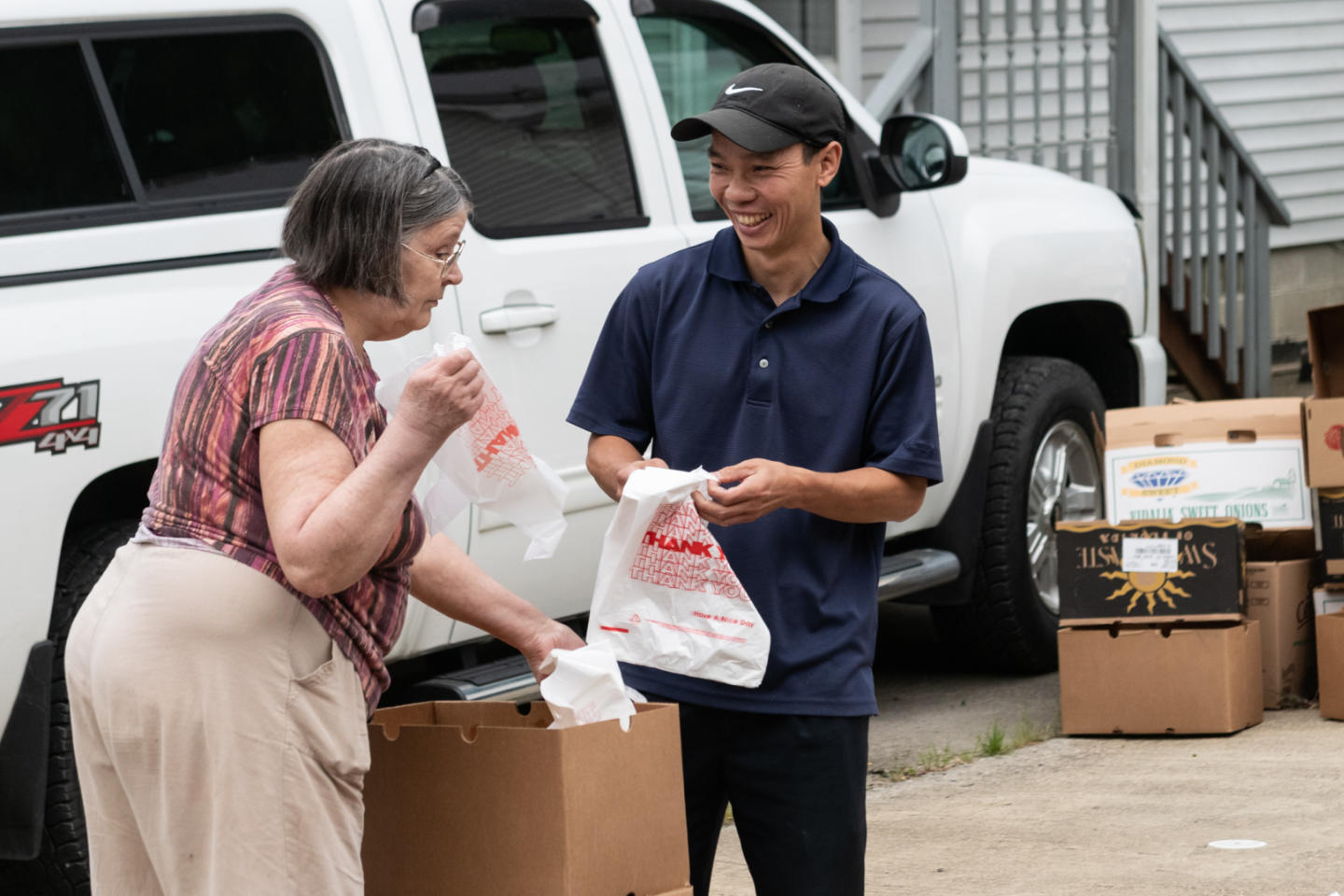
• Partnered with Mountaineer Foodbank to change the system that food pantries ordered, nudging them to order a higher percent of healthier foods.
(2018-2023)
(2023-2028)
Cycle 3
Now supporting 8 counties: Boone, Braxton, Calhoun, Clay, Lincoln, Logan, Monroe, and Summers.

• Deepening community impact through extended partnership and local capacity-building.

• Full or partial funding for 30 personnel across WVU, Extension, and Mountaineer Food Bank.
(2023-2028)

Physical Activity
Resource Map

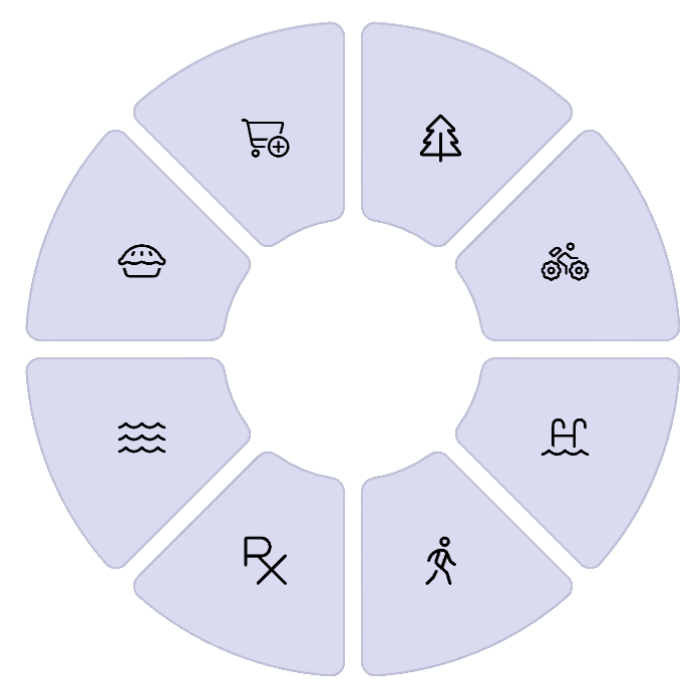
A visual tool that identifies locations and facilities that support physical activity within a community, such as Parks, Playgrounds, Trails, Water Access, and other types of Outdoor and Indoor spaces where people can engage in exercise and movement. This map will help identify communities that lack PA opportunities and assist policymakers in improving infrastructure for physical activity. Due to the informal nature of rural PA resources, not all existing facilities are mapped. This map also includes a data collection option for community members to add PA resources that are not currently mapped.

Walk Audits

Mountaineer Partnership

Food Service
Asset Map

A tool used to identify and visualize food-related resources within a community. This map highlights locations such as grocery stores, farmers' markets, food banks, charitable food programs, and other food service providers. The map also includes the location of organizations that play a vital role in ensuring food accessibility, nutrition support, and overall community well-being, such as Senior Services, Family Resource Network (FRN), WIC Offices, and the Department of Health and Human Resources (DHHR). The map identifies gaps in food availability and informs strategies to address food deserts. The map will help policymakers make informed decisions about food distribution and infrastructure.

Growing Our Community Impact Beyond Cycle 2

Community Partners
0 +
Collaborated with diverse organizations to maximize impact
Community Projects
0
Funded small initiatives with big local impacts
Leveraged Funds
$ 0 K
Additional resources secured by local community groups
Our previous funding cycle created lasting change in Clay and McDowell Counties, building momentum for future health initiatives while establishing valuable partnerships with community organizations and the Mountaineer Food Bank.
 

Current Community Outreach Efforts

Assessment & Planning
Meeting with county coalitions to understand health needs, identify opportunities, and develop customized action plans for each of the 8 counties.
Implementation
Supporting small projects including community gardens, park infrastructure updates, trail signage, and food pantry capacity improvements.
Capacity Building
Providing skills training, technical assistance, and grant writing support to help communities achieve self-sufficiency in health initiatives.
Sustainability
Helping communities leverage additional funding sources to bring their action plan priorities to fruition for long-term impact.

Listening to Our Local Partners: County-Specific Priorities and Initiatives

Logan County

Establishing a new farmer’s market to increase access to fresh, local produce.

Monroe County

Building collaborative food pantry networks for greater efficiency.

Braxton County

Connecting Burnsville town park with the Little Kanawha River Trail.

Lincoln County

Launching produce prescription programs to connect healthcare with nutrition

Summers County

Creating a walkability plan to connect Bluestone State Park.

Boone County

Writing connectivity plan for Route 17 to increase active transport.

Calhoun County

Developing indoor recreation spaces for year-round physical activity.

Clay County

Creating activity-friendly loops in downtown areas.

The Voices of Our Community Partners

Growing Together
"Improving access to healthy foods has made a noticeable difference. Our community gardens and farmers' markets are thriving." - Clay County
Active Communities
"Access to physical activity has been a game-changer. New walking trails are bringing people together." - Braxton County
Local Solutions
"Listening to our community has helped us tailor programs effectively. We're seeing more engagement in health initiatives." - Lincoln County
Empowering Change
"Partnerships are powerful. Working with local organizations, we've expanded our reach in community health." - Logan County

Working Together to Put Local Plans in Action

Community Partnerships

Working with over 30 community-based organizations and 5 Mountaineer Food Bank personnel to ensure initiatives are locally driven and sustainable.

Connected Communities

Developing comprehensive plans that link physical activity assets throughout county seats, making it easier for residents to stay active in their daily lives.

Food Access Innovations

Supporting Mountaineer Food Bank's three-tiered ordering system that encourages healthier food options at local pantries.

Sustainable Community Change and Impact

Through the High Obesity Program, WVU is helping transform West Virginia’s most vulnerable counties into healthier places to live, work and play—creating lasting change that extends beyond the program’s funding period.

Increased Awareness

Communities recognizing obesity as a collective challenge requiring structural solutions

Improved Infrastructure

New and enhanced physical spaces that promote healthy eating and active living

Strengthened Partnerships

Long-lasting collaborations between community groups, local government, and institutions

Sustainable Change

Communities equipped with skills and resources to continue health initiatives independently

Use Our Community Resources & Toolkits

Community Walk Audit

Equipping local leaders to assess walkability and identify infrastructure improvements needed.

Community Gardener

Providing practical skills for establishing and maintaining community gardens that increase local food access.

Early Childhood

Training educators and caregivers to promote healthy habits during crucial developmental years.

Community Toolkits

Ready-to-use resources helping local partners implement evidence-based health practices.

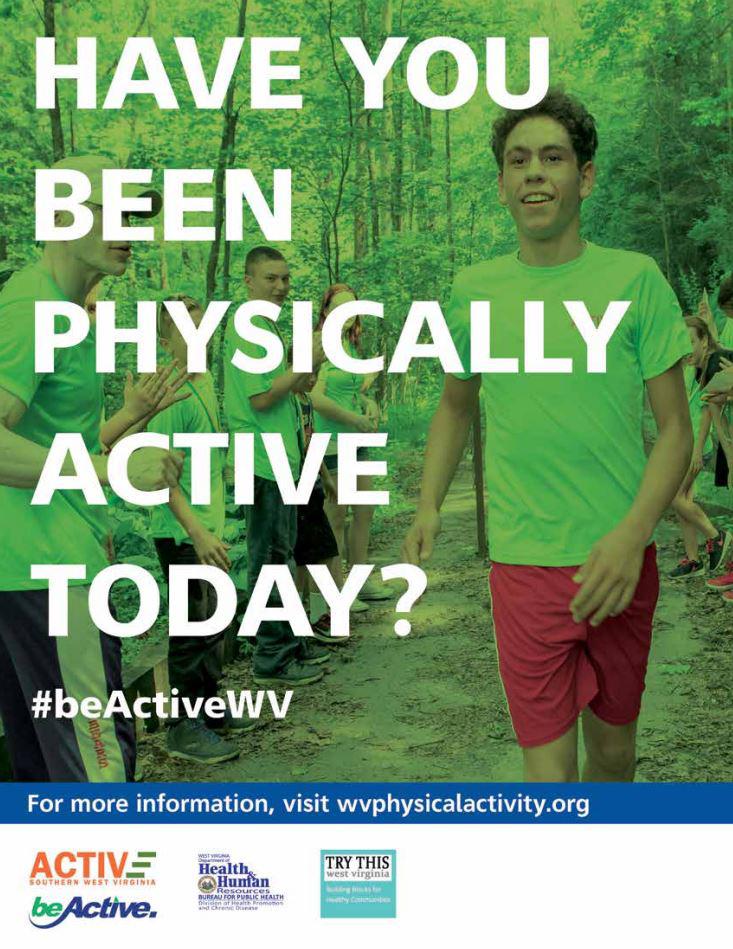
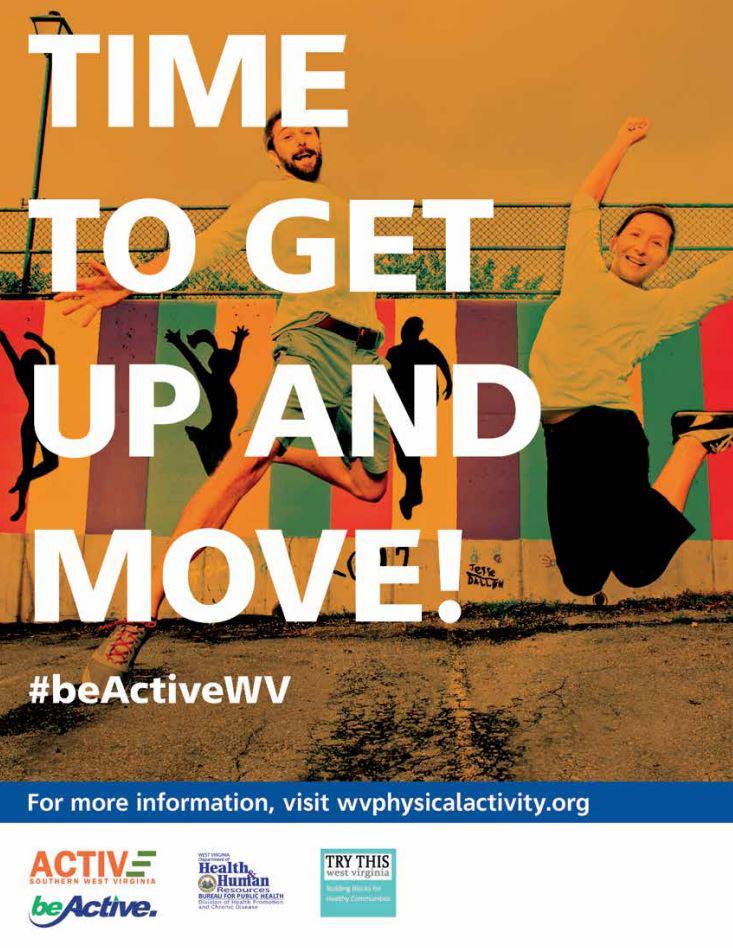
Worksite Wellness Poster Campaign

West Virginia business and industry leaders play a crucial role in promoting physical activity and healthy lifestyles among their workforce. The West Virginia Physical Activity Plan provides a road map for different sectors to provoke active living and is divided into five Priority Areas. The focus of this Poster campaign is Priority Area Two: public awareness and social marketing within business and industry. To promote public awareness and social marketing, our goal is to involve business and industry leaders in physical activity awareness campaigns by developing messaging and prompts for employers to promote physical activity in the workplace – businesses, schools, and communities.

This poster campaign is part of a bigger program, the Active SWV Workplace Wellness program, focused on improving the health of the workforce by providing a structured program free to workplaces in southern West Virginia.

To download all the posters for your worksite, go to: https://activeswv.org/workplace-wellness/.

Infographics

Additional Resources

The Be Healthy project was made possible with funding from the Centers for Disease Control and Prevention (CDC). Please visit the following links to learn more about the CDC, Division of Nutrition, Physical Activity, and Obesity, and more:
Active People, Healthy Nation is a national initiative led by CDC to help 27 million Americans become more physically active by 2027. Increased physical activity can improve health, quality of life, and reduce healthcare costs. Here are a few useful Active People, Healthy Nation resources for reference:

Strategic Partnerships for Healthier Communities

WVU Extension

Providing education, resources, and community-based programming throughout rural counties.

This is a full color version of the Be Wild. Be Wonderful. Be Active. logo.
Center for ActiveWV

Implementing policy, systems, and environmental approaches to promote physical activity.

Mountaineer Food Bank

Enhancing nutrition access through innovative distribution systems in underserved areas.

CDC Funding Support

Funding and guidance through the High Obesity Program to create lasting infrastructure.

Project Team Leadership

Emily
Murphy, PhD

Associate Professor

Christiaan Abildso, PhD, MPH

Physical Activity Specialist

Udday
Datta, PhD

Program Coordinator

Samantha Moyers-Kinsella, PhD

Research Associate

Ashley
Martucci, EdD

Program Coordinator